Weed Management Guide
Expert strategies for preventing and eliminating weeds in your artificial grass lawn.
Expert strategies for preventing and eliminating weeds in your artificial grass lawn.
As a top-tier provider of artificial turf installation, we recognize that maintaining your synthetic lawn involves addressing various challenges, one of the most common being weed management. While artificial grass is designed to be low-maintenance, weeds can still find their way through, especially in improperly installed or older turf systems. In this comprehensive guide, we'll share our expertise on managing and preventing weeds in your artificial grass, ensuring your lawn remains lush and beautiful all year round.
Know where and why weeds appear in artificial turf
Weeds typically emerge around the edges where turf meets other surfaces like driveways, sidewalks, or garden beds. Small gaps can provide space for weed seeds to settle and grow. Regular edge inspection and maintenance is crucial.
Organic debris such as dust, dirt, and leaves can accumulate on the surface, creating a perfect environment for weed seeds to germinate. Airborne seeds can land on your lawn, especially in windy areas or near weedy neighboring properties.
The best weed management is prevention - here's how to keep weeds away
Professional installation with a high-quality weed barrier (geotextile fabric) beneath the surface blocks sunlight and prevents weed seeds from penetrating. Proper infill stabilizes turf and prevents weeds.
Maintain a clean surface by regularly removing organic debris using a leaf blower, rake, or stiff brush. Schedule thorough cleaning at least once monthly, especially during fall.
Pay special attention to turf edges. Inspect regularly to ensure no gaps exist. Reinforce edges with additional adhesive or infill material to maintain a tight seal.
Ensure your artificial grass has proper drainage. Poor drainage leads to water pooling, creating a damp environment that encourages weed growth. Quality installation prevents this.
If weeds do appear, here are effective methods to eliminate them:
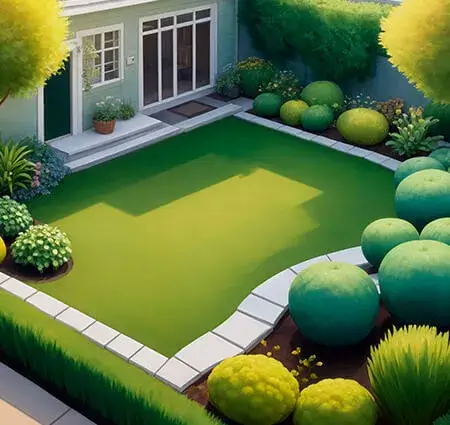
Keep your artificial lawn weed-free with these ongoing practices:
Our expert team can help maintain your artificial lawn and address any weed issues. Contact us for a consultation!
Get Your Free Quote